
What Is a Composite Door Made Of?
If you’re looking at replacing your front door, you may have wondered what a composite door is actually made from.
Unlike a traditional timber or uPVC door, a composite door is made using several different materials, with each part of the construction designed to provide a particular function.
Here’s a closer look at what goes into a composite door and how the different components work together.
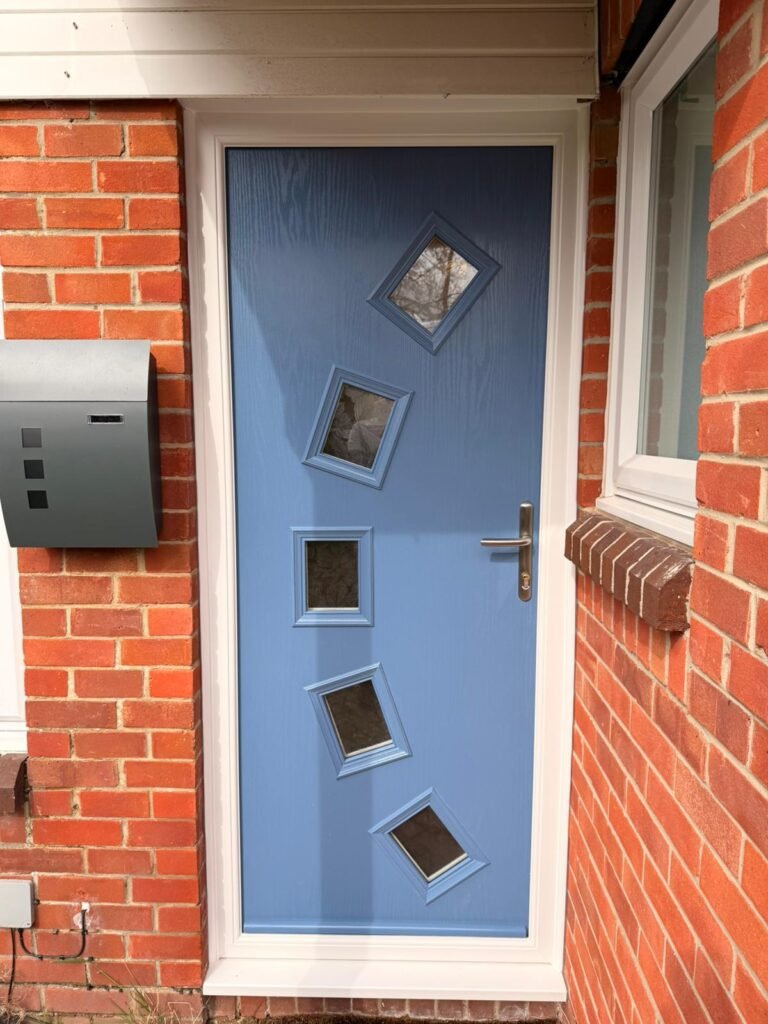
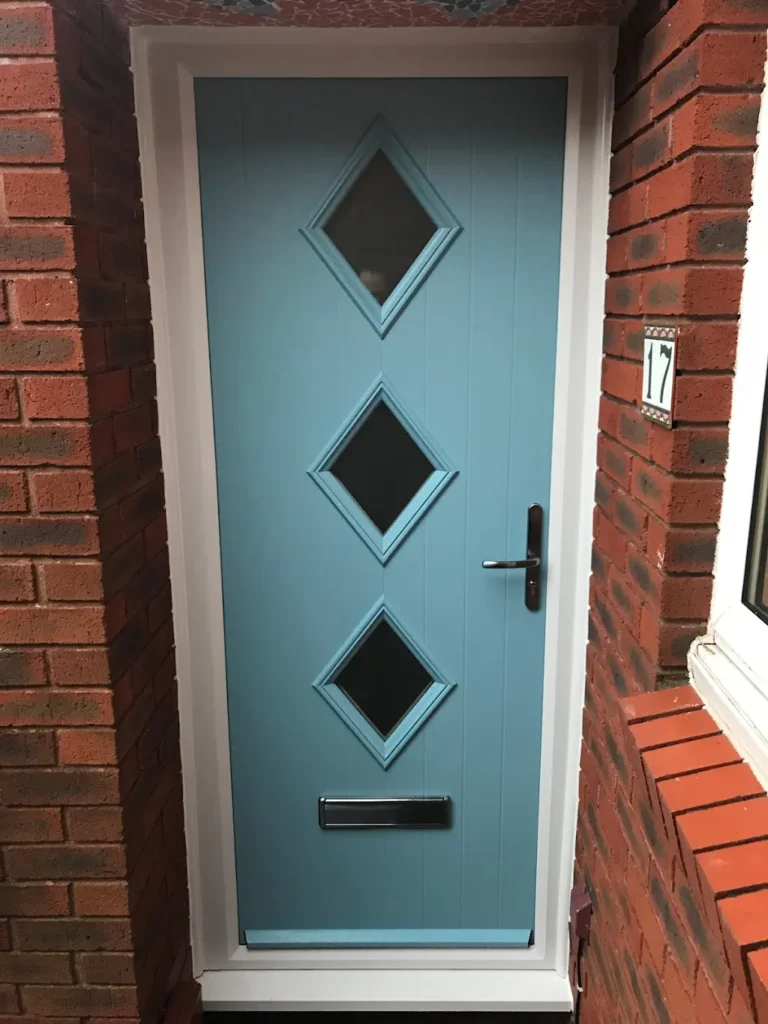
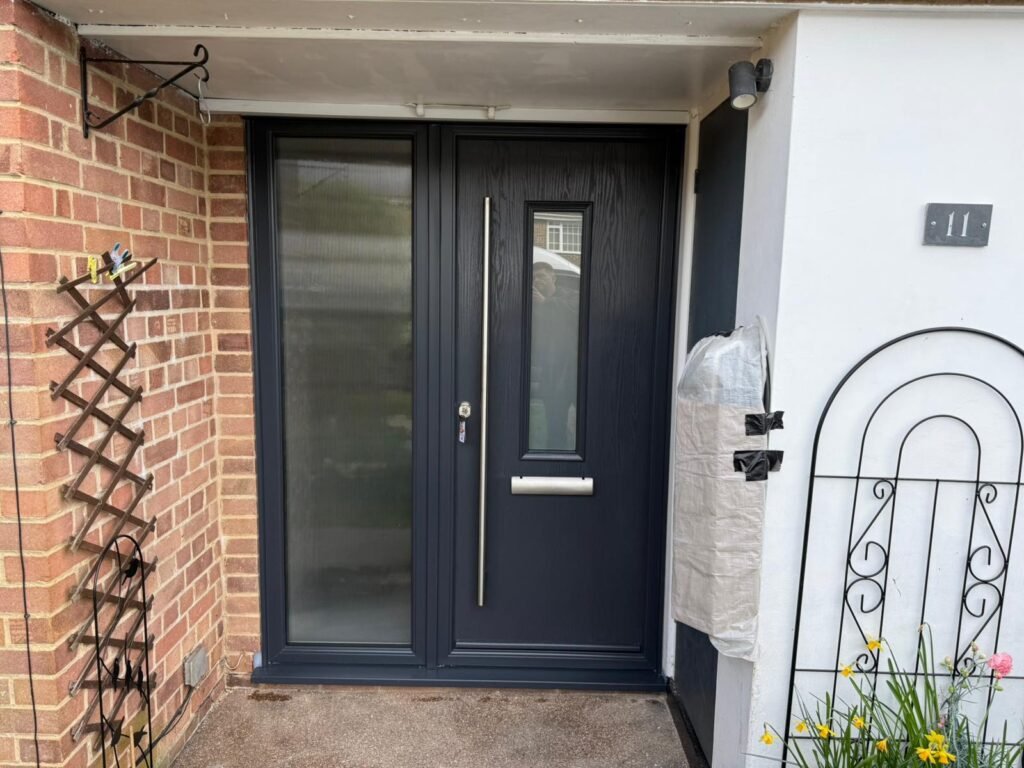
What materials are used in a composite door?
A composite door is made from a combination of materials, typically including:
- GRP (glass-reinforced plastic) outer skins
- a solid timber or engineered timber core
- a high-density insulating foam core
- a uPVC frame or other supporting components, depending on the door system
The exact construction can vary between manufacturers and door ranges, but the principle is the same: several materials are combined to create a door with a balance of strength, insulation, durability and design flexibility.
The GRP outer skin
GRP stands for glass-reinforced plastic. It forms the outer surface of many composite doors.
The GRP skin provides a durable finish and is available in a wide choice of colours and designs. It can also be made to replicate the appearance of traditional timber doors while offering a finish that is designed for relatively low maintenance.
This is one of the reasons composite doors can be used across a wide range of properties, from traditional cottages to contemporary homes.
The timber core
Many composite doors use a timber or engineered timber core as part of their construction.
The solid core provides the door with its substance and helps create the substantial feel associated with a composite front door.
The timber element is enclosed within the door construction rather than being exposed to the weather in the way that a traditional solid timber door can be.
The insulating foam core
Composite doors also contain an insulating foam core.
This helps to reduce heat transfer through the door and contributes to the overall thermal performance of the door.
The combination of the core and outer skins creates a substantially constructed door rather than a single material panel.
What about the frame?
The door itself is only part of the overall entrance.
Composite doors are fitted into a frame, with the frame material depending on the door system being supplied. uPVC components are commonly used as part of composite door frame systems.
The frame, seals, threshold and installation all contribute to how the finished door performs, so it is important to consider the complete door set rather than just the door slab.
What about the glass?
If you choose a composite door with glazing, the glass is another important part of the finished door.
There are many different glazing options available, from clear glass to obscure and decorative designs. Depending on the design, glazing can change both the appearance and the amount of privacy provided by the door.
At Buildmydoor, you can choose your glazing as part of the overall door design.
What about the hardware?
Handles, letterplates, knockers, hinges and locking systems are fitted separately to the main door construction.
These details can make a significant difference to the finished appearance. For example, the same composite door design can look quite different with contemporary stainless steel hardware compared with traditional black or heritage-style hardware.
You can explore our range of composite door hardware when creating your design.
Why use several different materials?
The main advantage of composite construction is that different materials can perform different jobs.
Rather than relying on one material for everything, the door is constructed using several components that work together.
This can provide a combination of:
- durability
- thermal insulation
- structural strength
- weather resistance
- low-maintenance surfaces
- a wide choice of colours and designs
The result is a front door that can be customised to suit both modern and traditional properties.
Can you customise a composite door?
Yes. The construction of a composite door is only the starting point.
You can choose from different:
- door styles
- colours
- glazing
- handles
- letterplates
- knockers
- locking options
- thresholds and other specifications
Buildmydoor doors are made to measure, so the finished specification can be tailored to the requirements of your doorway.
We can also help with unusual sizes, including short and narrow entrances where a standard-sized door may not be suitable.
Choosing your composite door
Understanding what a composite door is made of can help when you’re comparing different types of front door.
But the construction is only one part of the decision. You’ll also want to consider the style of your home, the size of the opening, colour, glazing, hardware, security specification and whether you need supply-only or installation.
If you’re ready to start designing your door, take a look at our composite door styles and composite door colours, or see our article on composite door prices.
You can also use our online door designer to create your own combination of style, colour, glass and hardware.
What are composite doors made of is one of our advice & guides articles
Take a look at more of our real-life composite door projects and case studies on our blog